


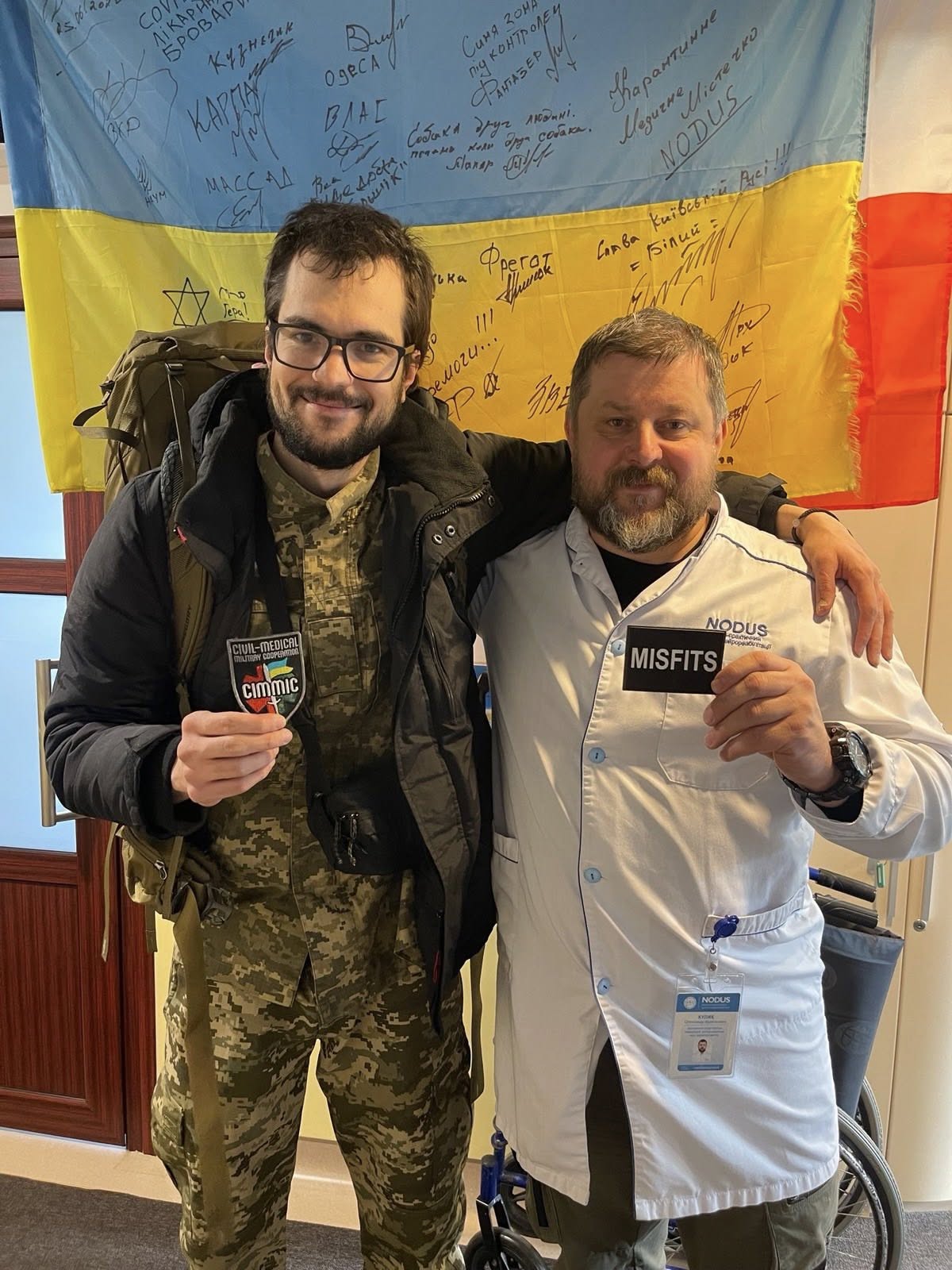
We sincerely admire people who, although not born in Ukraine and not being professional soldiers, consciously stand by us and defend our freedom. This choice is not about career. It is a choice about values. We feel this support. And we are infinitely grateful to everyone who came to defend Ukraine with their hearts and actions.
Usually, we, the foundation team, record the stories of our patients, learning about the lives of the wounded, their journey in this war, and their personal concerns and emotions. But the story of David, a combat medic from the legendary Khartia Brigade, was told first-hand by the person who pulled David from the clutches of death — the chief physician of the Nodus Clinic, neurosurgeon Oleksandr Kulik.
From the very first minutes of the evacuation, he accompanied this soldier on his entire journey to recovery.
«What does it mean to survive a direct attack by an enemy FPV drone and remain alive? Multiple skin defects. Broken bones. Fingers hanging by pieces of soft tissue. Torn blood vessels, damaged nerves. Massive external and internal bleeding. Traumatic brain injury and acoustic trauma. Deep burns.
Meet David, a combat medic from the legendary and heroic Khartia Brigade, whom we urgently and purposefully evacuated to our clinic with the support of the Khartia patronage service.
Philanthropist. Historian and philosopher by education. After graduating from a prestigious university, David consciously gave up a comfortable career and came to Ukraine to defend freedom and independence. He mastered tactical medicine abroad and voluntarily went to save his comrades — directly on the front lines, in the trenches.
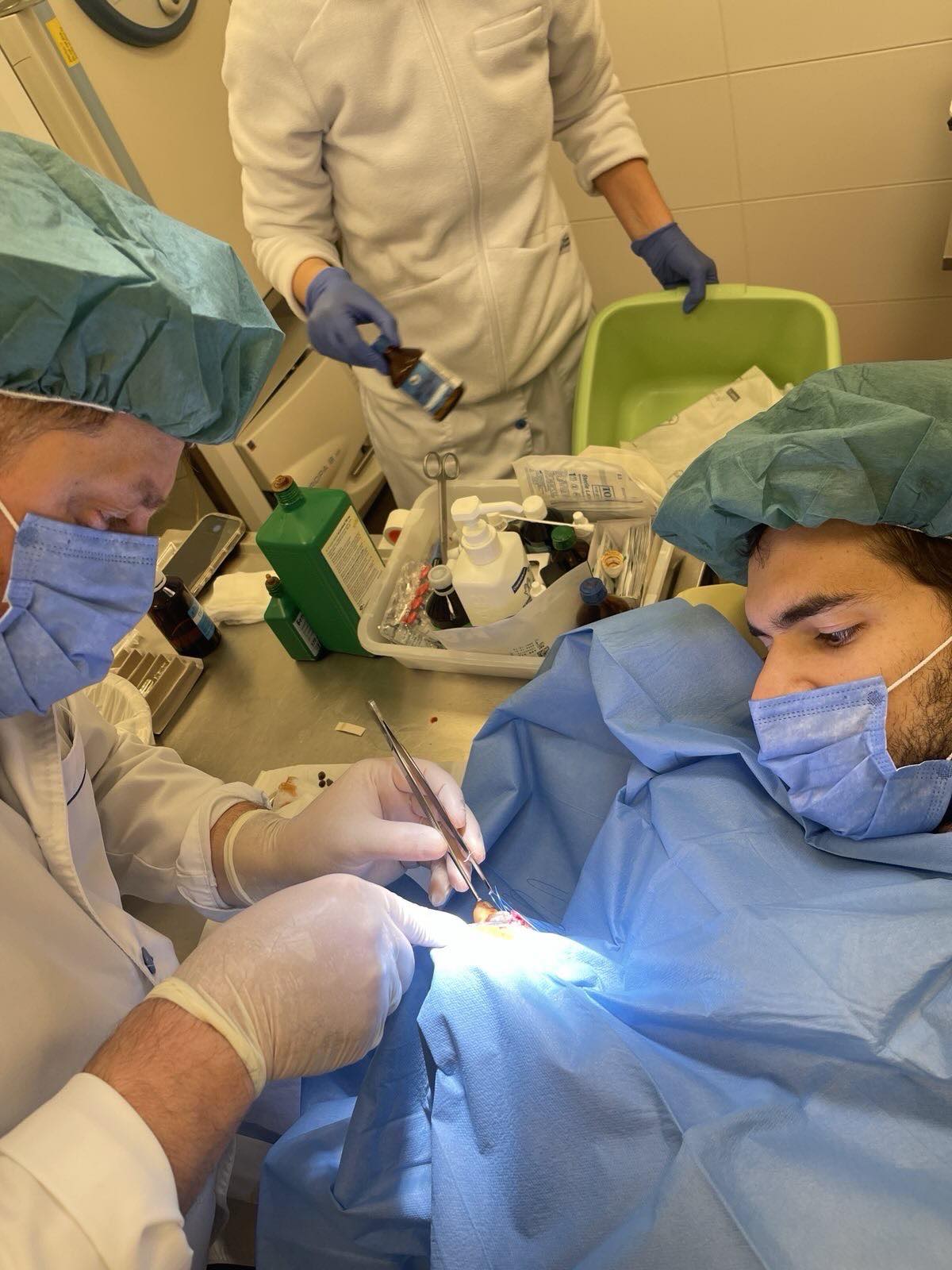
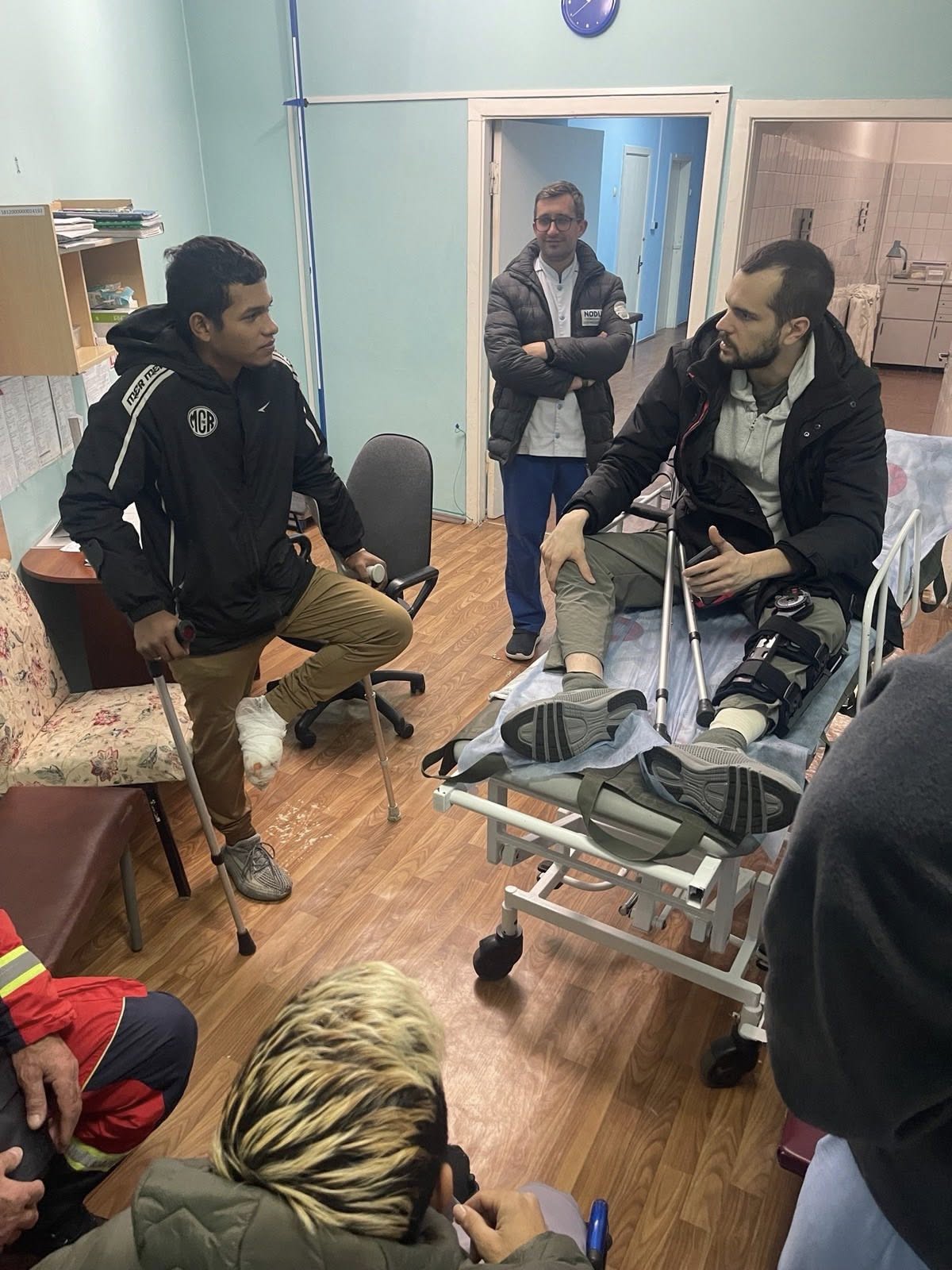
In an instant, his world nearly came to an end. This was followed by a dozen reconstructive surgeries in Nodus. One of the key procedures was performed at an exceptionally high professional level by vascular surgeons at the Ministry of Internal Affairs hospital in Kyiv.
The threat of amputation. Difficult, risky decisions. The enormous responsibility of trying to save his fingers and restore their function in the future.
Intensive care. Numerous stages of NPWT. Ultrasonic debridement of wounds.
Endless dressing changes for wounds in various locations.
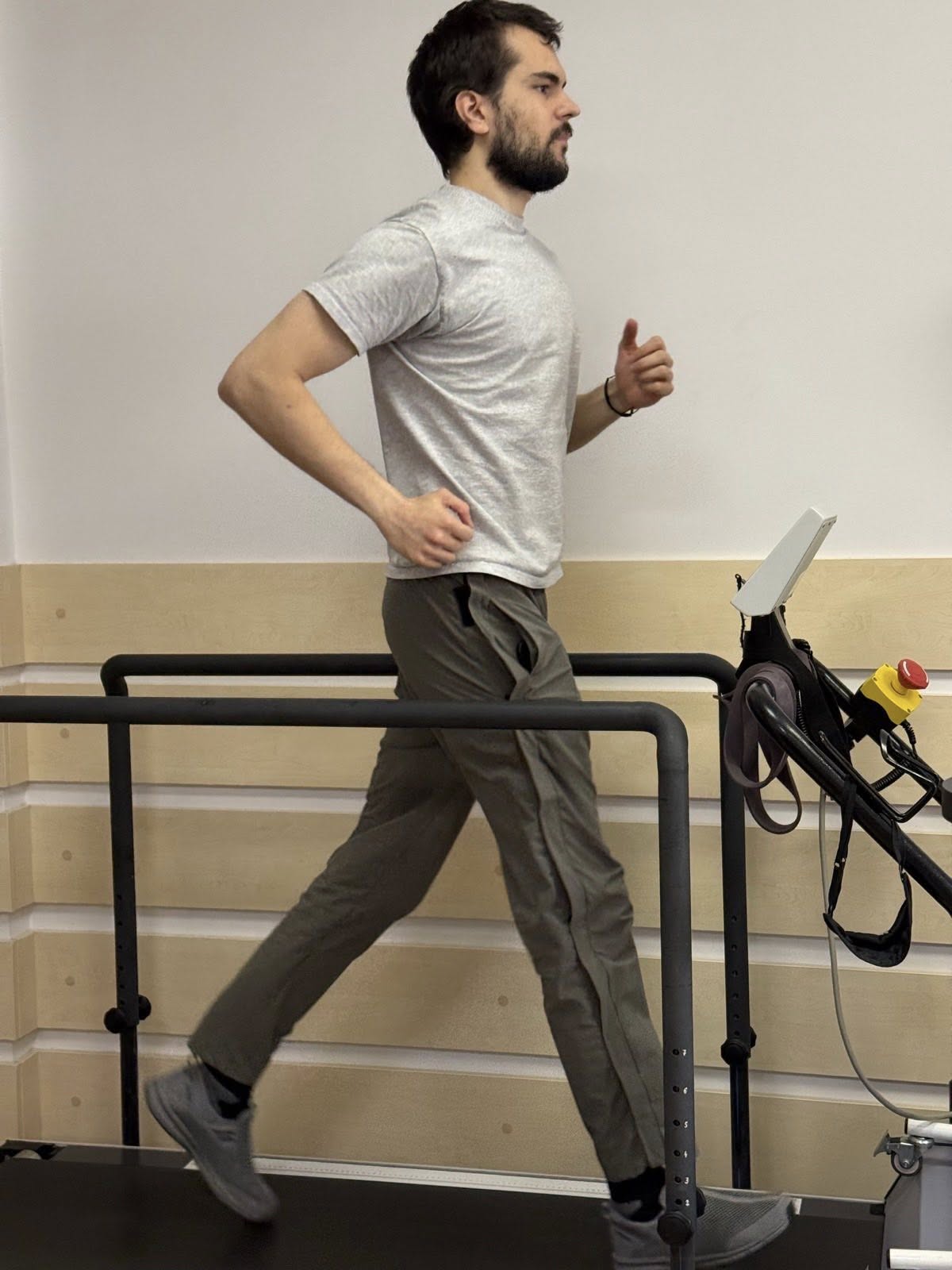
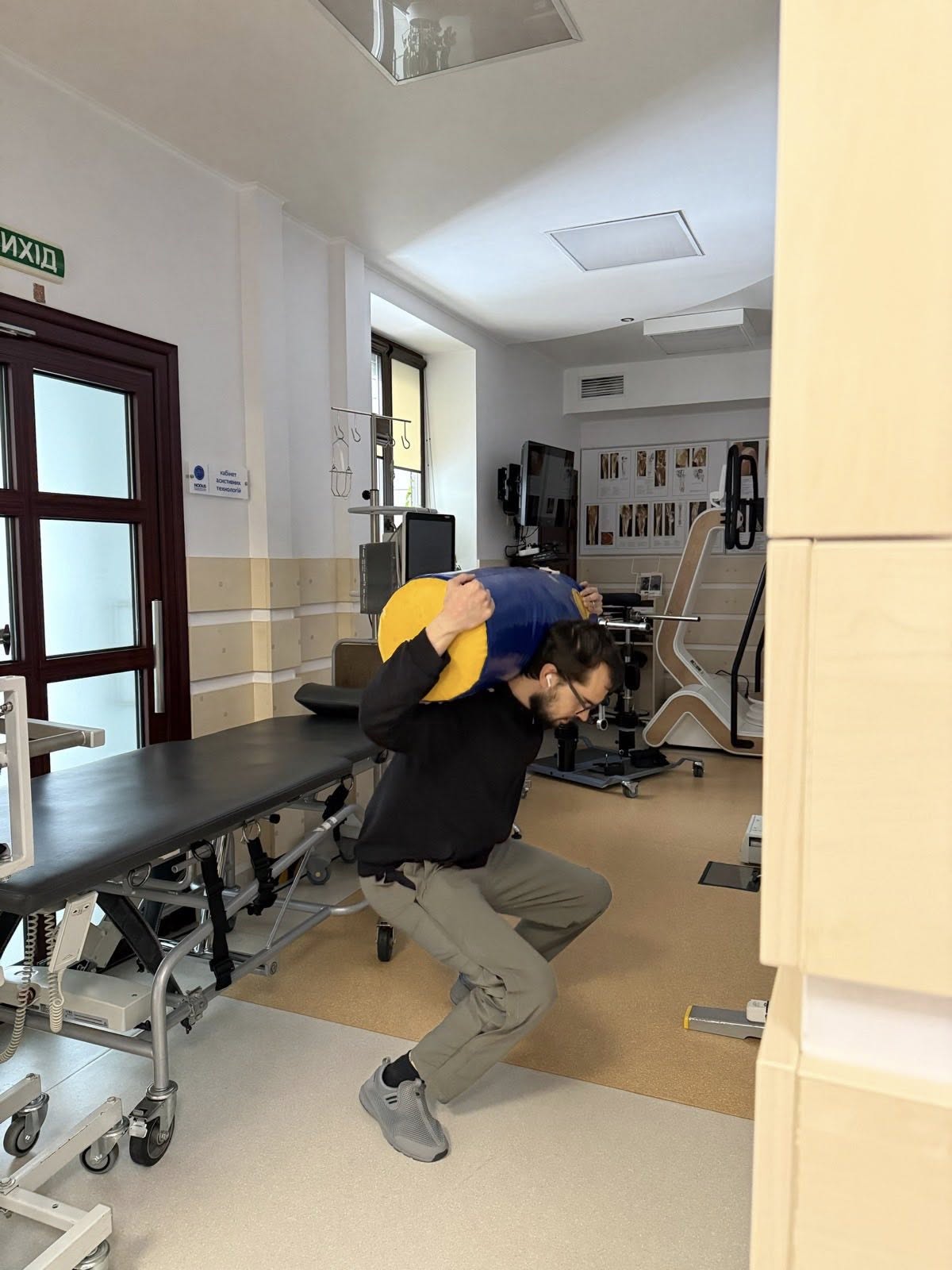
And against this backdrop — acute, intensive neurorehabilitation. Psychotherapy. Month after month. Month after month. Six to eight hours a day.
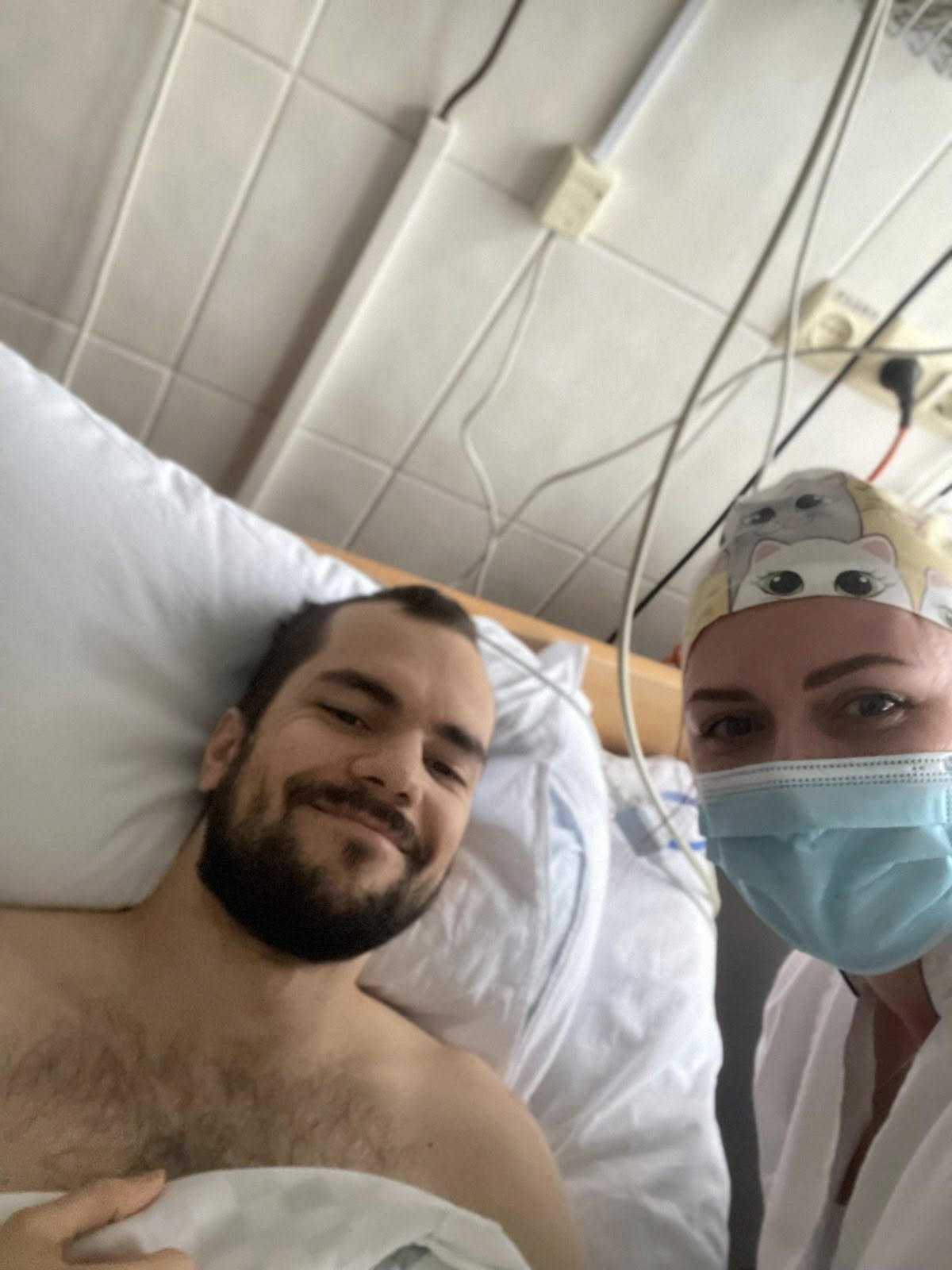
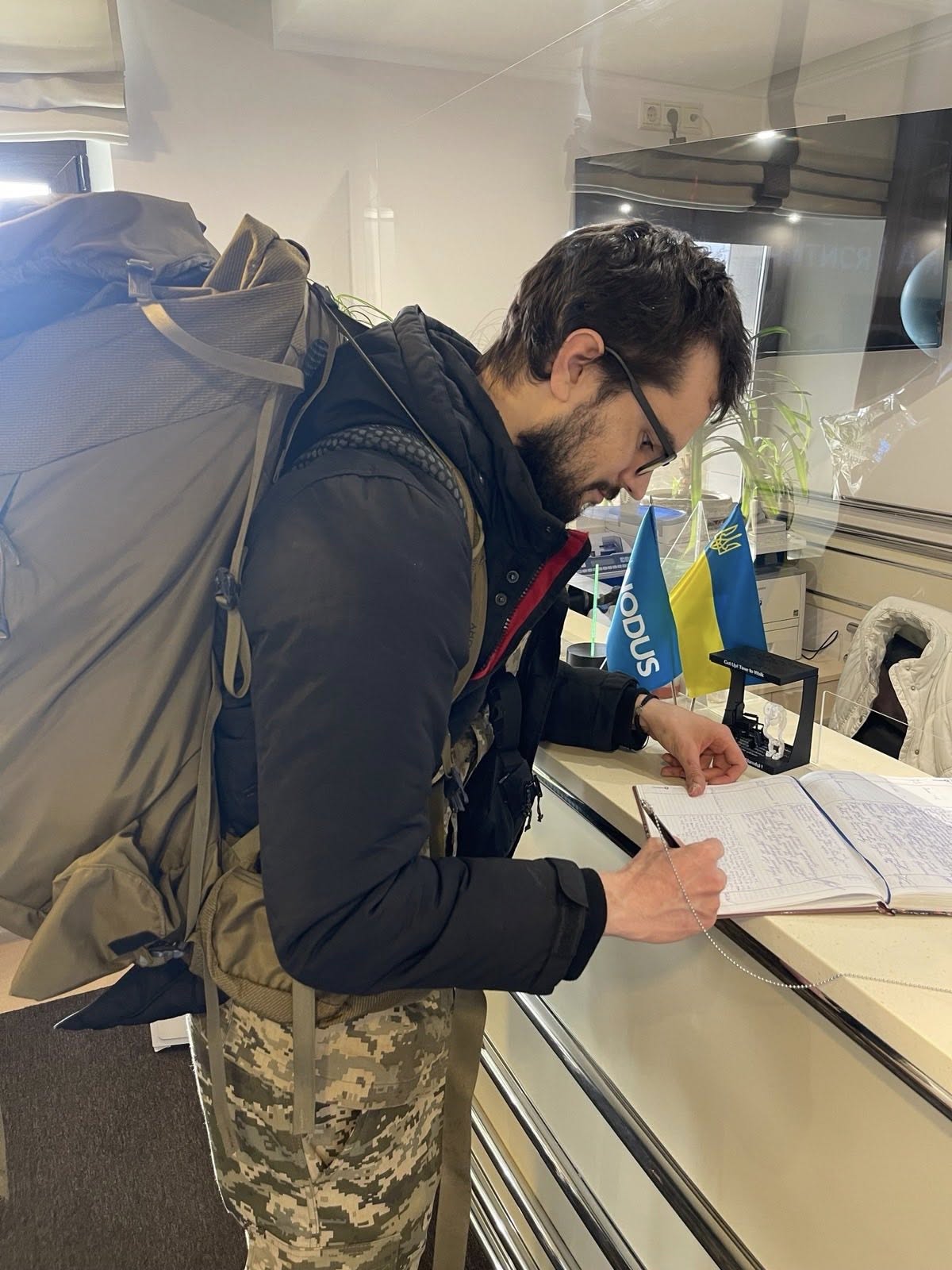
And finally, David returns to duty. Combat-ready. And once again, he will save the wounded.
Later, he will replay every second of that day of battle in his mind many times over. He will recount it in minute detail. That very moment — one second before the strike. Today, he says only one thing: ‘This is my mission.’
When I see posts on social media about ‘tens of thousands of lives saved in a year’ and at the same time analyse clinical stories like David’s, I always find myself thinking the same thing:
the phenomenon of our NODUS is not in how many people we have saved in terms of numbers, but in what kind of people, in what condition we were able to return to a full life — and what happened to them next».
Oleksandr Kulyk, Honoured Doctor of Ukraine, Doctor of Medical Sciences, Senior Neurosurgeon, Director of the NODUS National Centre for Neurosurgery
Support now - anyone can help
Quick Donate with Portmone